What to check first when you are locked out of your house
Stay calm and assess the situation
Being locked out of your own home is frustrating, but panic rarely helps. The first thing to do is pause and take a breath. Most lockouts have a straightforward solution, and rushing often leads to mistakes that make the situation worse. Before you call anyone or try anything, run through a few simple checks. They might save you time, money, and a call to a house lockout service.
Check all other doors and windows
It sounds obvious, but in the moment many people forget that a back door, a side door, or even a basement door might be unlocked. Walk around the entire house and try every exterior door. Sometimes a door you rarely use has been left open, or a latch did not fully engage when someone last came through. Windows on the ground floor are worth checking too, especially if they are not secured with a secondary lock. Even a small window can be a way in if it opens wide enough for an arm to reach through and turn a deadbolt from inside. Just be careful not to damage the window frame or screen in the process. If you do find an open window, use it only if you can do so safely and without injury.
Look for a spare key you might have forgotten
Many people keep a spare key somewhere on the property, but over time they forget where it is. Think about any place you might have hidden a key: under a flowerpot, inside a fake rock, beneath a doormat, or in a garden shed. Also check with family members or roommates who might have a copy. If you live in an apartment building, the building manager or superintendent might have a master key or be able to let you into the common areas. Even if you think you have no spare, it is worth a quick search. Finding a spare key is the fastest way back inside.
Verify that your key is actually the problem
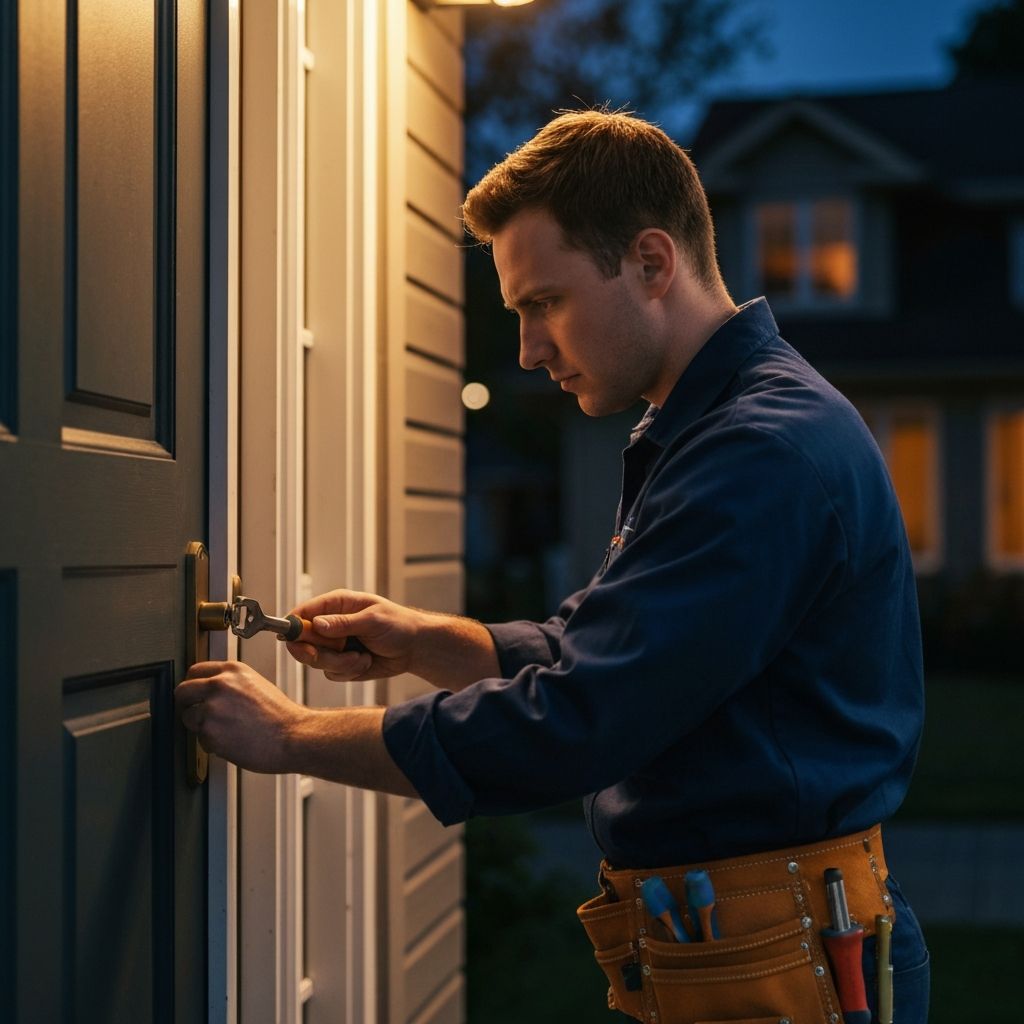
Before assuming the lock is broken, try your key in the lock a few times. Sometimes the key is not fully inserted, or the key cylinder needs a gentle jiggle. If the key goes in but will not turn, the lock might be stiff from dirt or lack of lubrication. A bit of graphite powder or a lubricant designed for locks can help, but only if you have it on hand. Do not use oil-based lubricants, as they attract dust and make the problem worse over time. If the key turns but the latch does not retract, the mechanism inside the lock could be jammed. In that case, forcing it can break the key or damage the lock. Stop turning and consider your next move carefully.
Inspect the door and frame for obvious issues
Sometimes the lock itself is fine, but the door or frame has shifted. Look at the gap between the door and the frame. If the door is sticking or the latch does not align with the strike plate, the door may have swollen from humidity, or the hinges may have loosened. A door that has dropped can make the latch catch on the frame rather than sliding into the plate. Try lifting the door slightly as you turn the key, or push the door inward while turning. This can help the latch clear the strike plate. Also check the door frame for cracks or damage that might be preventing the deadbolt from engaging properly. If you see splintered wood or a bent strike plate, the lock may need to be repaired or replaced.
Consider the possibility of a broken key inside the lock
If your key goes partway in but stops, or if it goes all the way in but spins freely, you might have a broken key fragment inside the lock. This can happen with older keys that have worn down over time. Do not try to pull the key out with pliers, as that can break off more of the key. Instead, if you can see the broken piece, you might be able to use a pair of tweezers or a small pick to extract it. But be gentle, because pushing the fragment deeper can make the lock unusable. If you cannot remove it yourself, you will need professional help.
Check if you can reach a phone or ask a neighbour for help
If you do not have your phone with you, see if a neighbour can let you use theirs. Most people are happy to help in a lockout situation. You might also ask a neighbour if they have a spare key for your house, if you have ever left one with them. If you are in an apartment building, the intercom system might let you call another resident. Even if you cannot get into your unit, being able to make a call is a big step forward.
When to call a professional
If you have tried all the above and still cannot get in, it is time to call a house lockout service. A professional locksmith can open most residential doors without damaging the door or frame, using techniques that are non destructive entry methods. They have the tools to handle jammed locks, broken keys, and misaligned latches quickly. A good locksmith will also verify your identity and that you are the occupant before doing any work, so be ready to show ID or answer questions about the property. This is a normal part of the process and protects both you and the locksmith.
Calling a house lockout service early, rather than after you have tried to force the door and caused damage, usually saves money and time. A locksmith can often be on site within thirty minutes in a city area. They can also advise you on whether the lock needs to be replaced or if a simple repair will do. If you have a spare key with a neighbour or building manager, they can let the locksmith in to work from the inside, which can speed things up further.
Preventing future lockouts
Once you are back inside, think about ways to avoid this happening again. A few simple steps can make a big difference. Consider a keyless entry system, such as a keypad lock on the main door. These let you enter a code to unlock the door, so you never need to carry a key for that door. Some models also have a backup key cylinder, so you still have a traditional option if the battery dies. Another idea is to leave a spare key with a trusted neighbour or family member who lives nearby. Just make sure they know not to give it out without your permission. You can also install a lockbox on the property, but be aware that these can be targeted by intruders if not well hidden or secured.
If you live in a rental property, talk to your building manager about having an extra key on file. Some apartment buildings have a management office that keeps copies of all unit keys. In a single-family home, you might also consider giving a key to a friend who works close by. The goal is to have a backup plan that does not rely on you remembering to take your keys every time you step out.
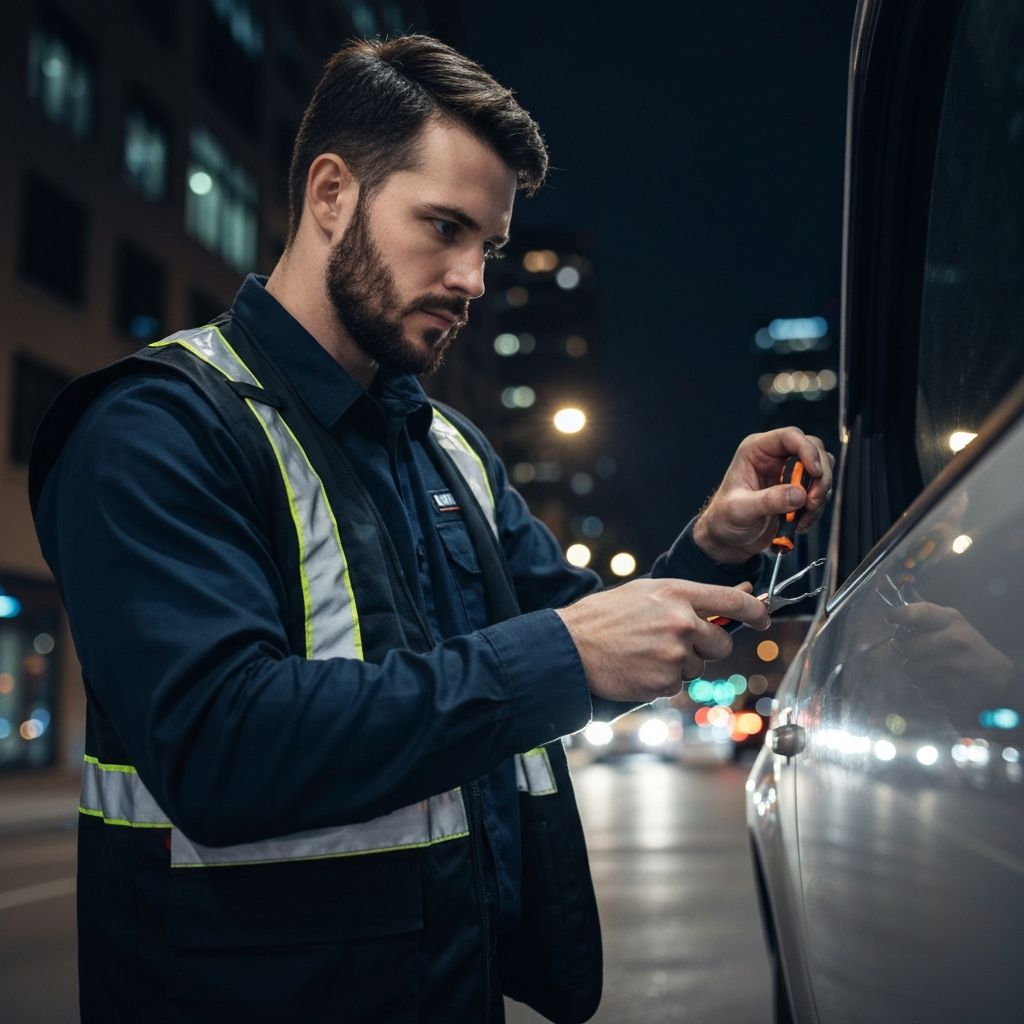
Lockouts happen to almost everyone at some point. The key is not to panic, to check all your options first, and to call a professional when you need one. A few minutes of calm checking can often get you back inside without any help. But when that does not work, a reliable locksmith is the safest and fastest way to resolve the problem.